Menu


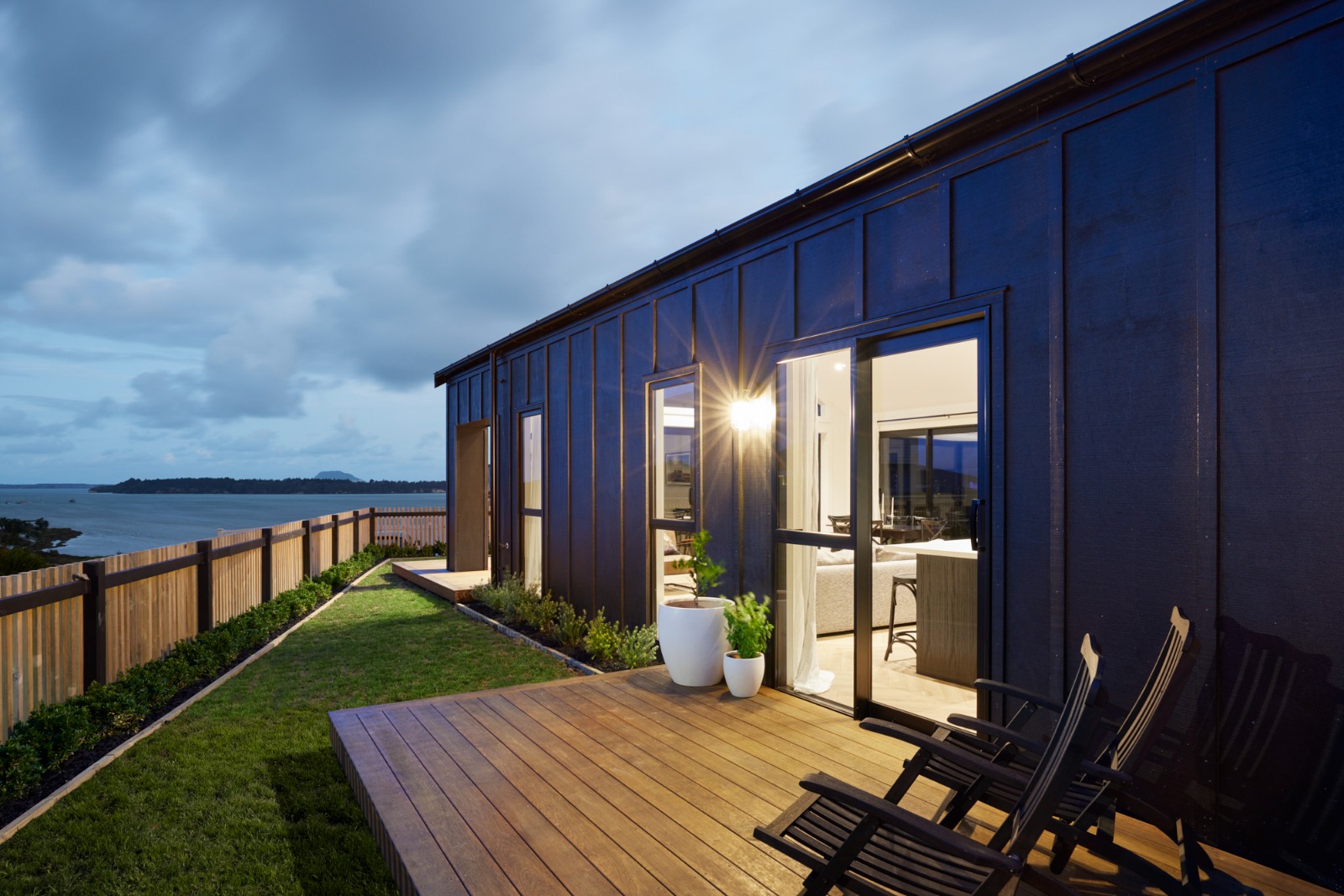
Building on a coastal site in the Bay of Plenty is one of the most rewarding projects you can take on. The view, the openness, the way light moves across a coastal home through the day — these are real design pleasures. They also require real design discipline. The same elements that make a coastal site beautiful — sun, wind, salt, sand, and the proximity to the water — will, if you ignore them, make a coastal home expensive to maintain and uncomfortable to live in.
This is a working post about how we approach coastal design for clients across the BOP coast — from Ōmokoroa and Te Puna in the western harbour through to Mount Maunganui and Papamoa on the east coast.
A good coastal home is designed by treating five forces with respect. They are not new and they are not exotic — they are simply the things that matter more here than they do further inland.
The Bay of Plenty's sun pattern shifts considerably between summer and winter. A coastal site usually has a clear arc of sky to work with, which is a gift, but the brief is to capture winter sun deep into the living space without baking the home in summer. This is done with eave depth (real eave depth, not symbolic), with appropriate north-facing glazing area (more is not always better — there is a thermal cost), and with shading strategy on the worst-exposed faces.
For most BOP coastal homes, north and north-east are the priority faces. East-facing glazing brings morning sun and (often) the view at once. West-facing glazing on a coastal site needs to be considered carefully — afternoon sun on a hot summer day can be punishing if there is no shading.
The BOP coast has a clear prevailing-wind pattern: south-westerlies dominate, with periodic easterly storms. A coastal home that sits hard against the prevailing wind without any sheltering needs to be built that way structurally, but should also be designed so the outdoor living areas are not unusable.
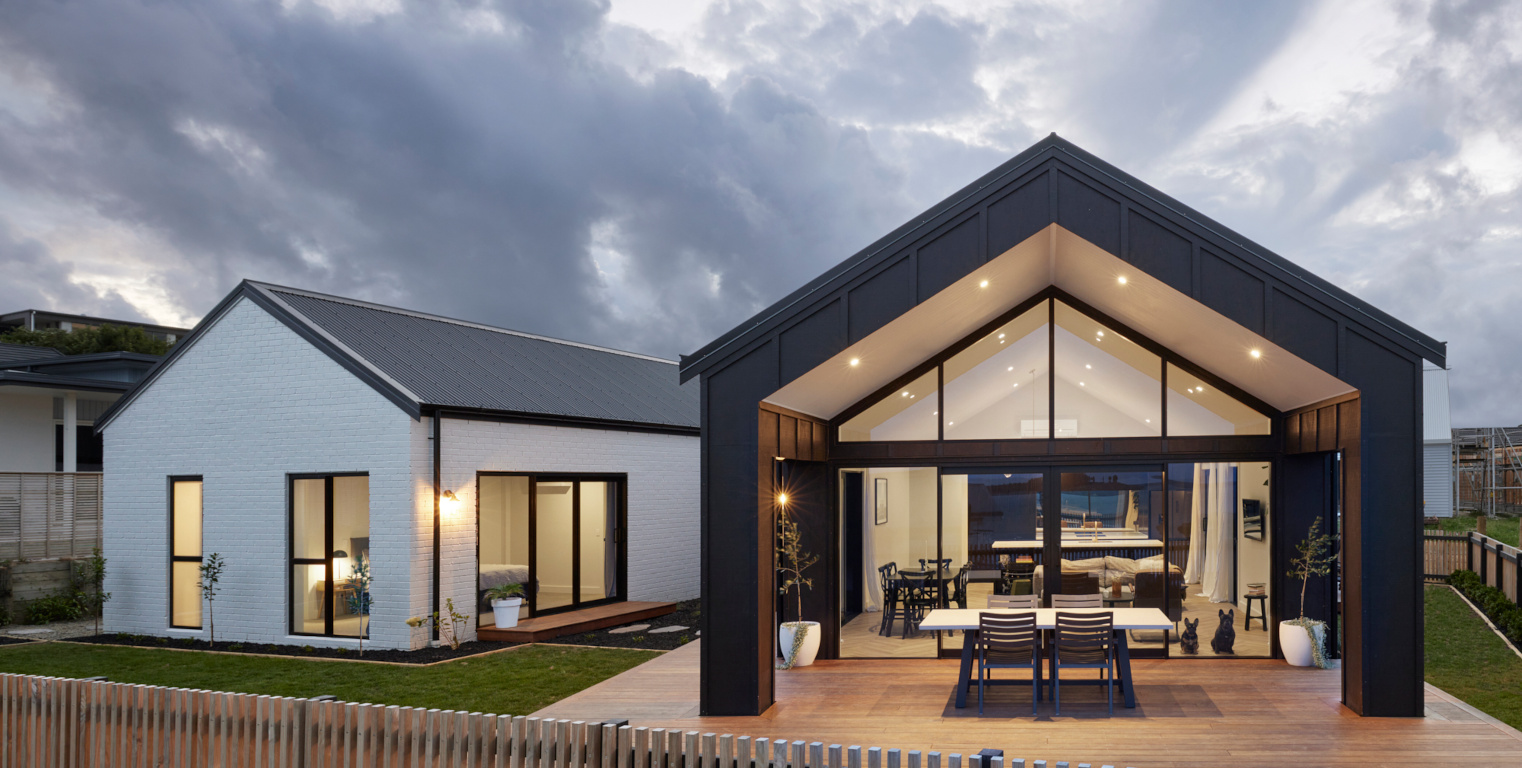
The architectural response is usually a built-in courtyard, a covered deck oriented away from the prevailing wind, or a combination of overhangs and screening that creates a leeward outdoor zone. We design these into the home from the start, rather than retrofitting wind shelter later with ad-hoc planters and screens.
Salt-laden air affects everything coastal-fronting. The closer to the water, the more aggressive the exposure. Specific implications:
Maintenance regime matters. Even excellent specification will need rinsing-down of salt build-up periodically. We tell clients exactly what their home will need to maintain.
BOP coastal soils are not uniform. Sections close to the dune line in Papamoa often sit on free-draining sand. Sections near the western harbour can be on softer estuarine silt or shell layers. Some inland-of-the-coast sites are on volcanic ash or weathered basalt. Each requires a different foundation strategy.
Geotech is not optional on a coastal site. A geotechnical investigation by a qualified engineer typically costs $3,000 to $7,000 and gives you and your designer the information needed to specify foundations correctly. Skipping this stage in pursuit of a quick start is one of the most expensive mistakes you can make.
Coastal sites in the BOP are subject to a layer of planning rules and overlays that inland sites are not. These include:
We check the rules that apply to a specific address at the site assessment stage. They are not a problem when designed-with from the start. They become a problem when the home is designed first and the rules are checked second.
Is it more expensive to build on a coastal site than inland?
Generally yes — sometimes 5 to 15 percent more for the same home, depending on the specification choices the exposure forces. The premium is real but is rewarded by what you get: the view, the openness, and the lifestyle of a coastal home.
Can I build on a section that is in a coastal hazard overlay?
Often yes, but with constraints. Floor levels, foundation type, sometimes setback, sometimes building footprint, may all be affected. We will tell you the implications for your specific address before pricing.
What is the right cladding for my BOP coastal site?
Specific to the site exposure and the look you want. We will run through options on a real-cost basis — what each costs to install, what each costs to maintain over 20 years, and what each looks like once it has weathered.
Will my coastal home need different insurance?
Possibly. Some coastal hazard overlays affect home insurance availability or premium. Worth checking with your broker before committing to a specific section.
If you are looking at a coastal section in Ōmokoroa, Mount Maunganui, Papamoa, or anywhere on the BOP coast, this is exactly the kind of conversation we have with clients regularly. Talk to us — we are happy to walk a section with you and give an honest first take.